By Kellie Tickner, Orchard Hills Veterinary Hospital Administrator
WITH recent reports of H5 bird flu being detected in Australia, many people are understandably asking what this means for their families, pets and local wildlife. While the headlines may sound concerning, the current situation should be viewed with awareness rather than alarm.
Australia has confirmed a small number of H5 bird flu detections in wild birds, including one in New South Wales. Importantly, there is currently no evidence that the virus has spread into commercial poultry farms or the wider agriculture industry, and there have been no reports of mass bird deaths. The risk to human health also remains very low.
Bird flu, or avian influenza, is a virus that mainly affects birds. Some strains have caused significant disease in wild birds and poultry overseas, which is why Australian authorities are closely monitoring the situation. Australia’s surveillance and biosecurity systems are well prepared to identify cases quickly and respond if required.
For most people, the best approach is simply to avoid direct contact with sick or dead birds. If you discover one, do not handle it or allow children or pets to investigate. Instead, note the location and report it to the Emergency Animal Disease Hotline on 1800 675 888, where trained officers can determine whether further investigation is needed.
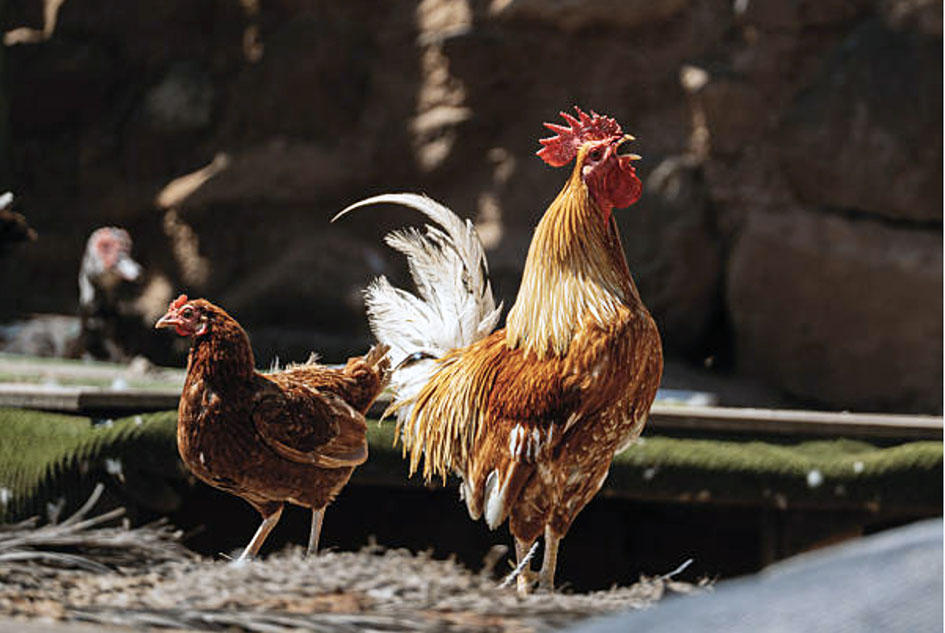
Owners of backyard chickens and pet birds should also stay informed but not be unduly concerned. At present, there is no evidence that the H5 strain has entered Australia’s poultry industry. However, it is sensible to reduce contact between domestic birds and wild birds wherever possible. Keep feed and water under cover, maintain good hygiene around aviaries and coops, and monitor your birds for any signs of illness. If you notice sudden illness or unexpected deaths, contact your veterinarian promptly and report it to the Emergency Animal Disease Hotline.
Although H5 bird flu has occasionally infected other animals overseas, including cats, dogs and some livestock, these cases have generally followed close contact with infected birds or contaminated environments. There is no evidence that pets are spreading the virus in Australia.
Simple precautions can help minimise risk. Keep dogs on a lead in areas where they may encounter dead wildlife, discourage pets from chasing or catching birds, and avoid feeding raw poultry products that have not been prepared through approved food safety processes.
If your pet becomes unwell after contact with a sick or dead bird, seek veterinary advice. Many illnesses can cause similar symptoms, so your veterinarian will assess the situation and determine whether further investigation is needed.
Australia has successfully managed previous avian influenza outbreaks, and authorities continue to closely monitor this one. By staying informed, reporting sick or dead birds, and following simple precautions, we can all help protect our wildlife, livestock, pets and community.