By Kellie Tickner, Orchard Hills Veterinary Hospital Administrator
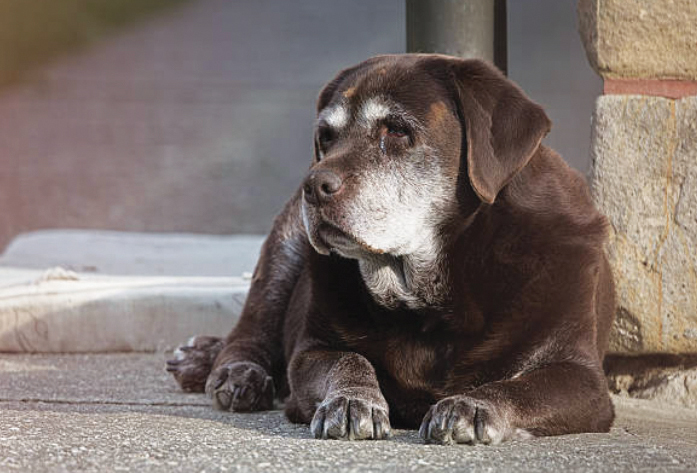
GROWING older brings many changes for our canine companions. While it is normal for senior dogs to slow down physically, some may also experience changes in their mental function. This condition, known as Canine Cognitive Dysfunction (CCD), is often compared to dementia in humans and can affect a dog’s memory, awareness, behaviour, and ability to learn.
Recognising the early signs of cognitive decline allows owners to seek veterinary advice and put strategies in place to help their dog enjoy a comfortable and fulfilling life.
There is no specific age at which cognitive decline begins, although some dogs can show subtle changes from around six years of age. Because many medical conditions can mimic the symptoms of dementia, a thorough veterinary examination is essential before reaching a diagnosis. Conditions such as diabetes, Cushing’s disease, high blood pressure, urinary tract infections, kidney disease, arthritis, and hearing or vision loss can all cause behavioural changes that may resemble cognitive decline.
One of the most common signs owners notice is confusion or disorientation. Dogs with cognitive dysfunction may appear lost or confused, even in familiar surroundings. They may stare at walls, wander aimlessly, become trapped behind furniture, or seem unsure how to find their way outside. Some dogs begin heading to the wrong door or appear uncertain about where they are going.
Changes in social behaviour are also common. A dog that once enjoyed interacting with family members, visitors, or other pets may become withdrawn and less engaged. Others may become unusually dependent, following their owners everywhere and seeking constant reassurance.
Sleep disturbances are another frequent symptom. Affected dogs may spend more time sleeping during the day but become restless overnight. Owners often report pacing, whining, barking, or wandering around the house when everyone else is asleep.
Memory loss can also become apparent. Dogs experiencing cognitive decline may forget behaviours they have known for years, including house-training habits. Accidents indoors may become more frequent, and they may appear less responsive to familiar commands or daily routines. Many owners also notice their dog no longer shows the same enthusiasm for walks, games, or exploring the environment. Activities that once brought excitement may seem less appealing as the condition progresses.
Although there is currently no cure for canine cognitive dysfunction, there are several ways to support affected dogs and maintain their quality of life. Your veterinarian can discuss medications, diets, and supplements that may help support brain health. Maintaining a consistent daily routine can reduce stress and confusion, while gentle exercise and regular mental stimulation can help keep your dog engaged. It is also beneficial to keep food bowls, bedding, and furniture in familiar locations, as sudden changes to the home environment can increase anxiety and disorientation.
Most importantly, be patient and understanding. Behavioural changes associated with cognitive decline are not a result of stubbornness or disobedience but rather changes occurring within the brain.
If you have noticed changes in your senior dog’s behaviour, give the team at Orchard Hills Veterinary Hospital a call on 4736 2027.