

By Kellie Tickner, Orchard Hills Veterinary Hospital Administrator
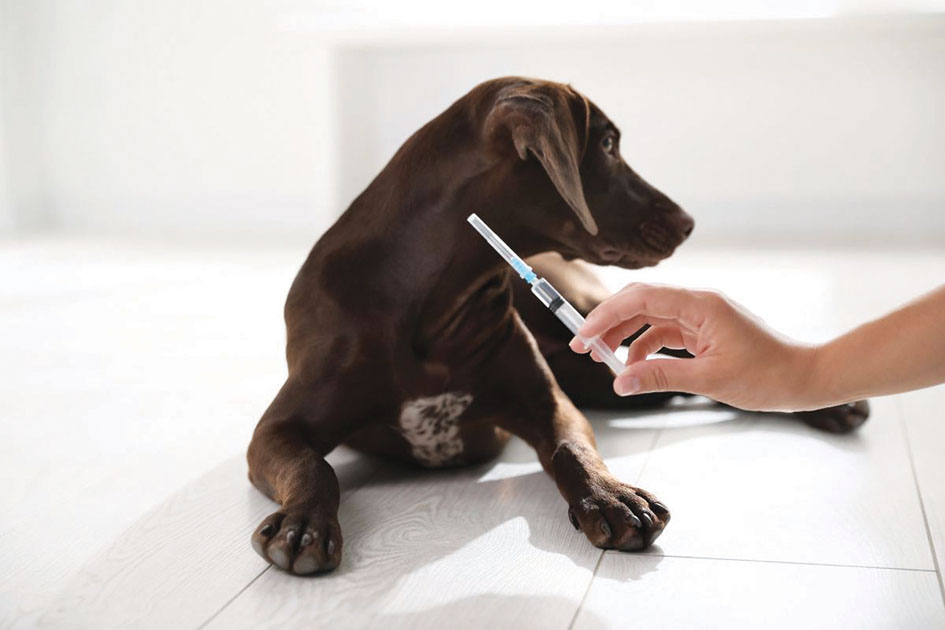
IN recent years, concerns about vaccine availability and the pressure of rising living costs have led some pet owners to delay their dog’s routine boosters. However, keeping vaccinations up to date remains one of the simplest and most effective ways to protect dogs from serious – and often life-threatening – diseases. Preventing illness through vaccination is always safer, less stressful, and far easier than treating a disease once it has taken hold.
Dog vaccinations help protect against a number of significant diseases, including:
Parvovirus (Parvo): Parvovirus is a highly contagious disease that causes severe vomiting, bloody diarrhoea, dehydration, and rapid weight loss. The virus can survive in the environment for months, making it very difficult to eliminate once present. It spreads quickly in places where dogs gather, such as parks and boarding kennels. Without immediate treatment, parvo can be fatal, which is why vaccination plays a critical role in prevention.
Canine Distemper: Distemper spreads through the air and affects several body systems, including the respiratory, gastrointestinal, and nervous systems. Early symptoms often include coughing, sneezing, and discharge from the eyes or nose, but the disease can progress to seizures and permanent neurological damage. As there is no cure for distemper, vaccination remains the most reliable protection.
Canine Adenovirus (Infectious Canine Hepatitis): This virus targets the liver, kidneys, and eyes and is transmitted through bodily fluids such as saliva and urine. Infected dogs may experience lethargy, vomiting, abdominal pain, and fever, while severe cases can result in sudden death. Vaccination offers strong protection against this potentially devastating disease.
Canine Cough (Kennel Cough): Kennel cough is commonly spread in environments where dogs mix closely, including boarding kennels, grooming salons, dog parks, and shows. It causes a persistent, harsh cough and can sometimes lead to complications such as pneumonia, particularly in puppies or vulnerable dogs. Vaccination is recommended for any dog that regularly interacts with others.
Leptospirosis and Canine Coronavirus (C2i): Leptospirosis is a bacterial infection spread through the urine of infected rodents, particularly rats and mice. Dogs can become infected through contaminated water, bedding, or food, or by drinking stagnant water. The disease can cause severe kidney and liver damage and may be life-threatening. Vaccination is especially important for dogs living on rural properties or those likely to encounter rodents or standing water.
Keeping your dog’s vaccinations up to date is a simple but important step in protecting their health and the wellbeing of other dogs they come into contact with. If your pet will be boarding over the holiday period, now is the ideal time to check their vaccination status.
To arrange a vaccination appointment or discuss a plan tailored to your dog’s lifestyle, contact Orchard Hills Veterinary Hospital on 4736 2027.


