

By Kellie Tickner, Orchard Hills Veterinary Hospital Administrator
RABBIT owners across Greater Sydney and the Central Coast are being urged to prepare ahead of the NSW Government’s planned release of the RHDV1-K5 calicivirus strain in early March 2026. While this initiative aims to control wild rabbit populations and safeguard agriculture and native bushland, it also provides an important reminder for pet owners to reassess their rabbit’s preventative health care.
Rabbit calicivirus, formally known as Rabbit Haemorrhagic Disease Virus (RHDV), impacts both wild and domestic rabbits. The virus spreads easily in the environment and can survive in a variety of conditions. Fortunately, vaccination offers strong and reliable protection for pet rabbits when their immunisations are kept current.
One of the challenges with calicivirus is how easily it can travel. Insects such as flies and mosquitoes can carry the virus, and it may also be brought into the home on shoes, clothing, grass clippings, or equipment that has come into contact with wild rabbits. This means that even rabbits kept strictly indoors are not completely risk-free. Keeping vaccinations up to date provides reassurance that your rabbit is protected, regardless of how or where they live.
In the early stages, rabbits exposed to calicivirus may show subtle signs. They might seem quieter than usual, eat less, or produce fewer droppings. These changes can be easy to overlook, but as with any health concern, prompt veterinary advice is essential if you notice your rabbit behaving differently or falling out of their normal routine.
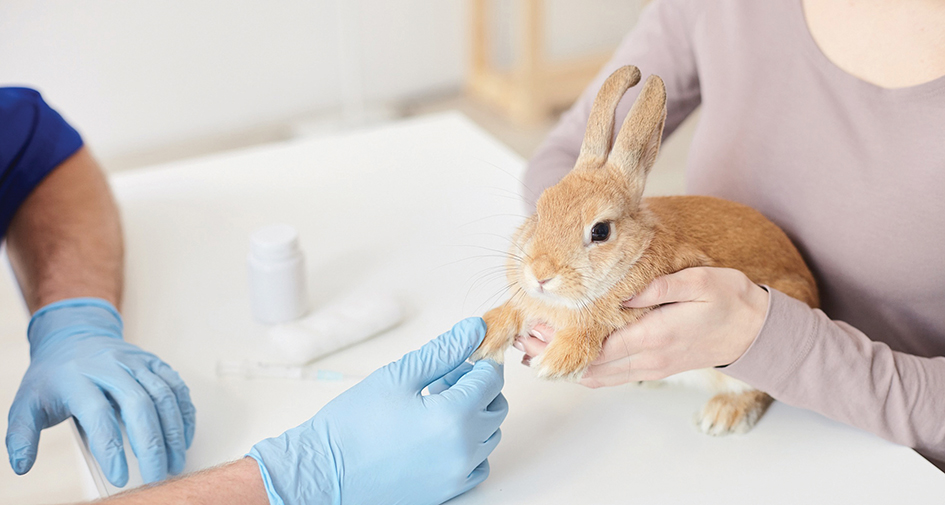
Vaccination remains the most effective defence against this disease. The Filavac vaccine can be administered from 10 weeks of age as a single injection, followed by an annual booster to maintain protection. With the scheduled virus release approaching, veterinarians recommend checking that your rabbit’s vaccinations are current well before March 2026—ideally by mid-February.
Alongside vaccination, there are practical steps owners can take to reduce exposure. Housing rabbits indoors where possible, limiting contact with wild rabbits, installing fly screens, and maintaining good hygiene—such as washing hands and removing shoes after spending time outside—can all help lower risk. These precautions are especially valuable in the months following the virus release, when environmental circulation is expected to increase.
If you’re unsure whether your rabbit should be vaccinated, consider their age and lifestyle. Rabbits over 10 weeks old, those with outdoor access, or those exposed to items brought in from outside should be protected.
For tailored advice about your rabbit’s vaccination schedule, contact the team at Orchard Hills Veterinary Hospital on 4736 2027.


