By Kellie Tickner, Orchard Hills Veterinary Hospital Administrator
WHEN we step into a local veterinary clinic, we see compassionate professionals dedicated to caring for our pets. We picture a fulfilling career filled with saving lives, cuddling animals and happy endings. Yet behind the consultation room door lies a serious mental health crisis that is often hidden in plain sight.
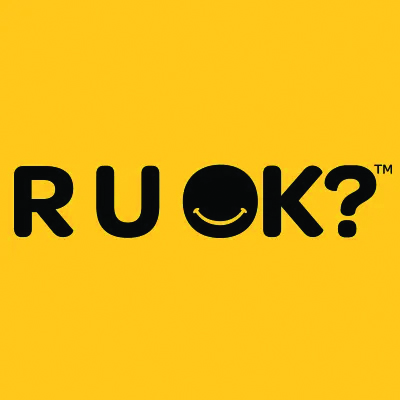
Australian veterinary professionals experience higher rates of depression, anxiety, psychological distress and suicide risk than the general population – a reality that deserves greater awareness, particularly on R U OK? Day.
The statistics are devastating. Australian veterinarians have been reported as being up to four times more likely to die by suicide than the general population, with research highlighting the disproportionate mental health burden carried by the profession.
Why is a profession built around compassion suffering so deeply?
The reasons are complex and often interconnected. Veterinary professionals experience an enormous emotional toll. Their days can involve celebrating a puppy’s first check-up one moment and supporting a devastated family through the euthanasia of a much-loved companion the next. Repeated exposure to illness, suffering, grief and end-of-life decisions can contribute to compassion fatigue and emotional exhaustion.
Then there are the workplace pressures. Long hours, heavy caseloads, staff shortages, demanding schedules and the responsibility of making important medical decisions all take their toll. Financial pressures can add another layer, with years of demanding university training and significant educational costs often followed by starting salaries that may not reflect the level of responsibility involved.
While many veterinary teams enjoy supportive and respectful relationships with their clients, unfortunately this is not the experience everywhere. Veterinary professionals in some practices report facing verbal abuse, online criticism and frustration surrounding treatment costs and expectations of care. When these interactions become frequent, they can take an emotional toll and contribute to stress, compassion fatigue and burnout in an already demanding profession.
Thankfully, people are working to change the conversation. Not One More Vet (NOMV) provides peer support and mental health resources to veterinary professionals around the world, helping create a community where asking for help is encouraged rather than seen as a weakness.
In Australia, the tragic loss of 33-year-old veterinarian Dr Sophie Putland in 2021 inspired her family to establish Sophie’s Legacy. The organisation advocates for change across the veterinary profession and works to educate the public about the pressures veterinary teams face.
Creating lasting change requires action within clinics, the profession and government, but pet owners also have an important role to play. Be patient when your veterinary team is busy. Treat them with respect. Remember that discussing treatment costs is not about money – it is about providing appropriate care. And most importantly, recognise the human behind the stethoscope.
This R U OK? Day, let’s look beyond the uniform and the professional smile. Ask your veterinarian, your vet nurse, receptionist or someone you know in the industry: “R U OK?” Sometimes, simply asking – and genuinely listening to the answer – can make a difference. Because the people who spend their working lives caring for our animals deserve someone to care about them too.