By Kellie Tickner, Orchard Hills Veterinary Hospital Administrator
MANY cat owners have heard the term feline panleukopenia, sometimes called feline parvovirus, but few realise just how dangerous this disease can be until cases begin appearing in their own community. In recent weeks, veterinary clinics throughout Western Sydney have seen a noticeable increase in infections, highlighting the importance of keeping cats vaccinated and protected.
Feline Panleukopenia Virus (FPV) is an extremely contagious viral disease that mainly affects unvaccinated cats, especially young kittens. Closely related to canine parvovirus, FPV attacks rapidly dividing cells within the body, particularly those in the intestinal tract and immune system, making infected cats critically unwell in a short period of time.
One of the biggest concerns with FPV is how easily it spreads and how long it survives in the environment. The virus can remain infectious for up to 12 months on contaminated items such as bedding, litter trays, cages, food bowls, and floors. Unfortunately, it is also resistant to many everyday disinfectants, which makes eliminating it particularly difficult once it enters a household or shelter environment.
Cats usually become infected through contact with contaminated faeces, but transmission is not limited to direct cat-to-cat contact. The virus can hitch a ride on shoes, clothing, hands, and other objects, meaning even indoor-only cats may still be exposed if the virus is unknowingly carried into the home. It can also spread through bodily secretions including saliva, urine, and vomit.
The signs of FPV can develop quickly and are often severe. Affected cats may show a sudden loss of appetite, extreme lethargy, vomiting, fever, and diarrhoea. In kittens, the disease is particularly devastating, with mortality rates approaching 90% in severe cases. Early veterinary intervention is critical, as while there is no cure for the virus itself, intensive supportive care—such as fluid therapy, medications, and nutritional support—can significantly improve survival chances.
Another reason FPV outbreaks are so difficult to control is the timing of viral shedding. Infected cats can spread the virus several days before they even appear sick, with symptoms generally developing within five to seven days after exposure. Cats that recover may continue shedding the virus for weeks afterwards, creating an ongoing risk for other cats in the area.
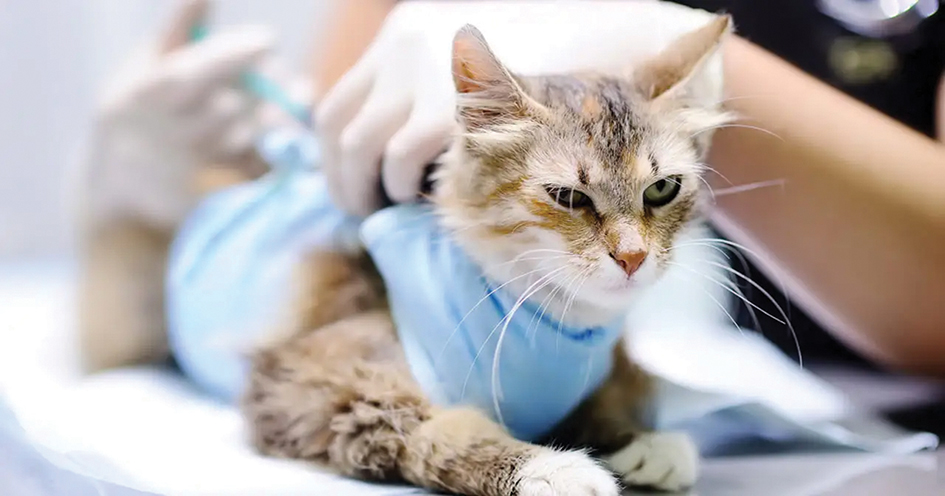
The good news is that FPV is highly preventable through vaccination. The feline parvovirus vaccine forms part of the standard core vaccination program recommended for all cats. Kittens need a series of vaccinations early in life, followed by a booster at 12 months and then ongoing boosters as advised by your veterinarian. Protection is highly effective when vaccinations are kept up to date.
The recent increase in cases across Western Sydney serves as an important reminder that diseases once considered uncommon can quickly return when vaccination levels decline. If you are unsure whether your cat is protected, now is the ideal time to speak with your veterinarian and review their vaccination status.
For more information or to book an appointment, contact Orchard Hills Veterinary Hospital on (02) 4736 2027.