By Kellie Tickner, Orchard Hills Veterinary Hospital Administrator
AFTER more than 38 years working in the veterinary industry, I have spent much of my career helping families through some of the most difficult moments they will ever face with their pets. As a veterinary nurse, I have held countless paws, supported frightened animals, explained procedures to worried owners and sat beside families as they have faced difficult decisions about treatment, quality of life and, ultimately, saying goodbye.
But last week, I found myself on the other side of the consultation table.
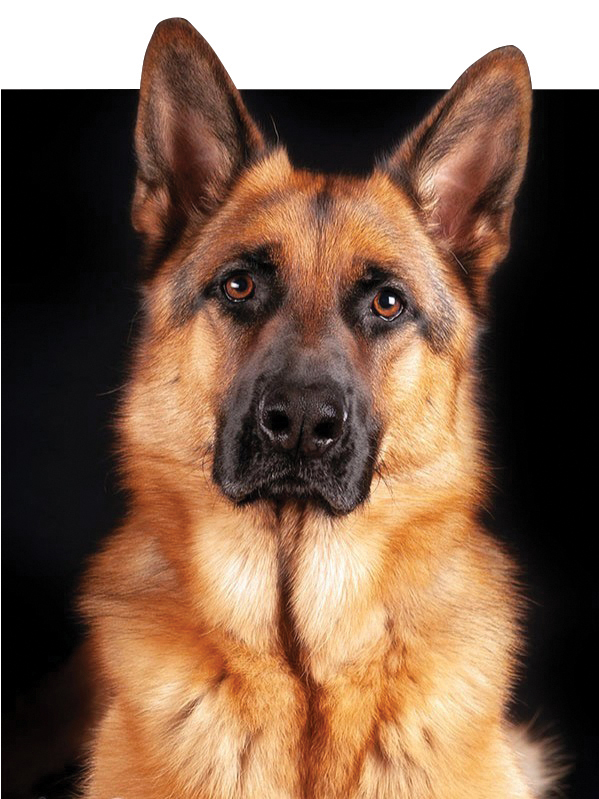
My much-loved German Shepherd, Ripley, needed emergency care at SASH. Suddenly, I wasn’t the veterinary nurse helping a family understand what was happening. I was the owner waiting for answers about my own dog.
From the moment we walked through the emergency doors, the team calmly swung into action. Catheters were placed, blood was collected, an ultrasound and ECG were performed, and within 20 minutes Ripley was moved for CT imaging. The anaesthetist, ECC nurses, criticalist and heads of surgery, radiology and medicine were all involved, reviewing the findings and coming together to formulate a plan. They then sat down with me and explained what they had found. Unfortunately, the news was not what we wanted to hear.
I have spent decades helping owners through conversations like this. I understand the terminology, the tests and what the results can mean. I have explained quality-of-life decisions to countless families. Yet none of that knowledge protected me from the emotions of being a pet owner.
For pet owners, a veterinary consultation is rarely just a consultation.
When we talk about blood results, imaging, treatment options or prognosis, we are talking about someone’s beloved family member. The person sitting in front of us may be frightened, overwhelmed or struggling to take in what they are hearing. They may not remember every medical term. They may only remember the tone of the conversation, whether someone took the time to explain things again, whether they felt heard, and whether they felt that their pet mattered to us too.
Sometimes they are making decisions while holding back tears. Sometimes they are trying to be strong for their children. Sometimes they are sitting quietly because they simply don’t know what to say. And sometimes, as I experienced first-hand, even someone who understands veterinary medicine can find that knowledge doesn’t make the situation any easier when it is their own pet.
That doesn’t mean pet owners don’t trust their veterinary team. It means that when the patient is someone they love deeply, emotions can make an already difficult situation even harder to navigate.
My experience also gave me an even greater appreciation for the team at SASH Alexandria who cared for Ripley. They treated him with professionalism, dignity and compassion, while also recognising that there was a family attached to the patient in front of them.
For that, I will always be grateful.
Losing a pet is one of the hardest experiences many families will face. The pain doesn’t come from simply losing an animal. It comes from losing a companion, a routine, a source of unconditional love and, for many people, a much-loved member of the family.
As veterinary professionals, we can diagnose, treat, monitor and advise. But our role is also to communicate, listen and support. Because behind every patient is a person who loves them. And sometimes, the greatest difference we can make is simply remembering that.